146 BCE–439 CE
Roman Africa
Africa Proconsularis, the granary that fed the Roman Empire.
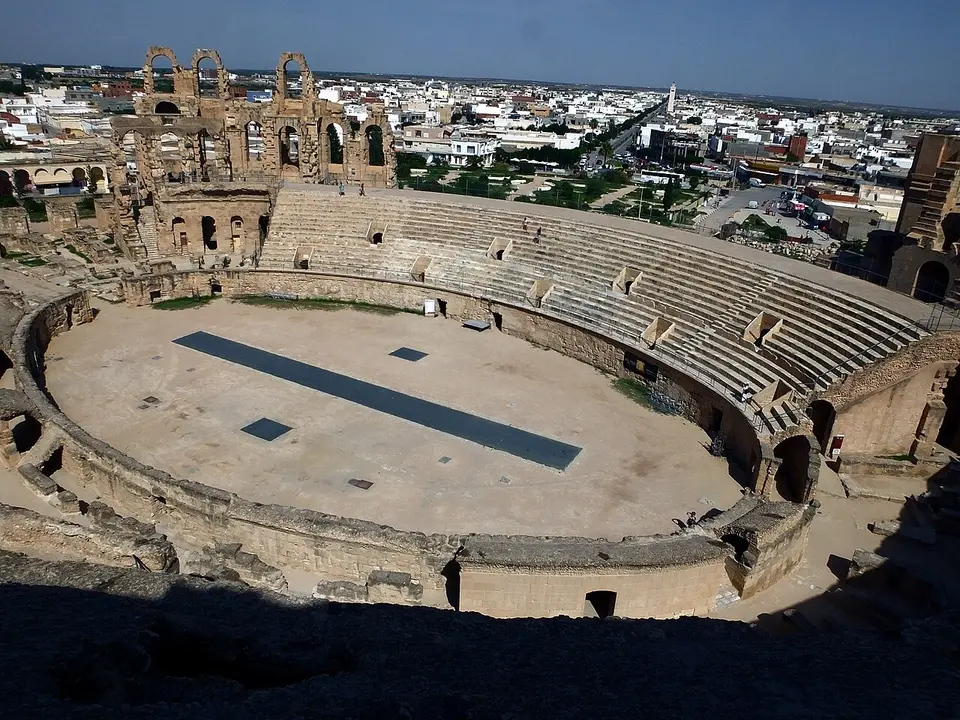
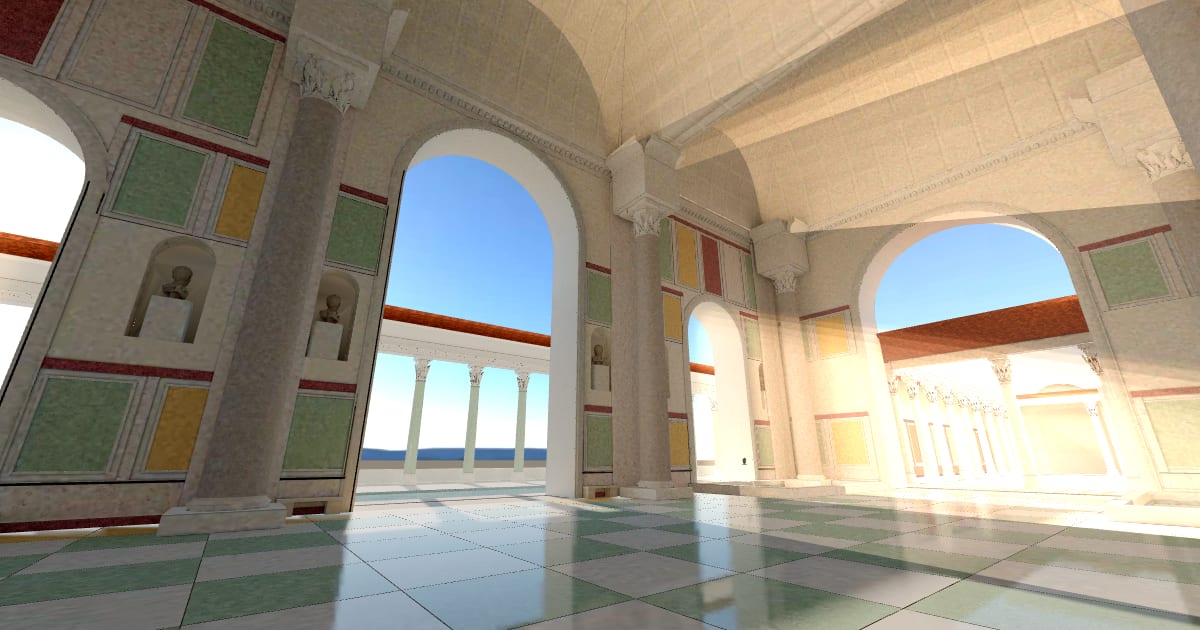
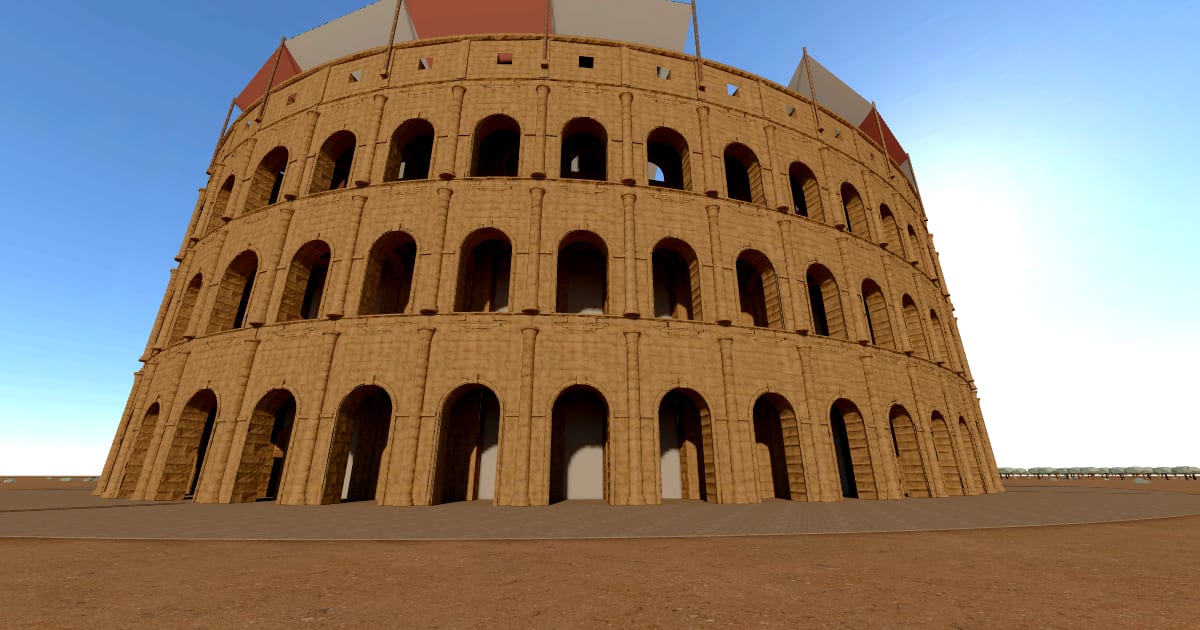
Rome made the former Carthaginian lands its province of Africa, and under Augustus refounded Carthage (29 BCE) as one of the empire’s greatest cities. Grain and olive oil shipped from here fed Rome; prosperity raised the Antonine Baths (145–162 CE), the amphitheatre of El Djem and towns such as Dougga.
Numidia remained a kingdom beside the province. Its king Jugurtha fought Rome from 111 to 105 BCE, until his father‑in‑law Bocchus of Mauretania handed him over; Juba I, who sided with Caesar’s enemies in the civil war, was defeated with them at Thapsus, on the Tunisian coast, in 46 BCE, and Caesar annexed eastern Numidia as the province of Africa Nova.
In 238 CE a revolt at Thysdrus (El Djem) proclaimed the governor Gordian emperor, the start of a turbulent “year of six emperors”.
The region was a powerhouse of Latin Christianity: Tertullian and Cyprian of Carthage wrote here, and Augustine studied and taught at Carthage before becoming bishop of Hippo.
Key dates
- 146 BCE
- Rome creates the province of Africa on Carthaginian territory.
- 111–105 BCE
- The Jugurthine War: the Numidian king Jugurtha against Rome.
- 46 BCE
- Caesar defeats Juba I at Thapsus and annexes eastern Numidia as Africa Nova.
- 29 BCE
- Augustus refounds Carthage as a Roman colony; it becomes a great city.
- 145–162 CE
- The Antonine Baths, the largest in Roman Africa, are built at Carthage.
- c. 238 CE
- The amphitheatre of El Djem (Thysdrus) is built; a revolt there proclaims Gordian I emperor.
- 354–430 CE
- St. Augustine, born at Thagaste, shapes Latin Christianity in Roman Africa.
Key figures
- El Djem · amphitheatre, c. 238 CE
- Dougga · UNESCO Roman town
- St. Cyprian · bishop of Carthage
From this era
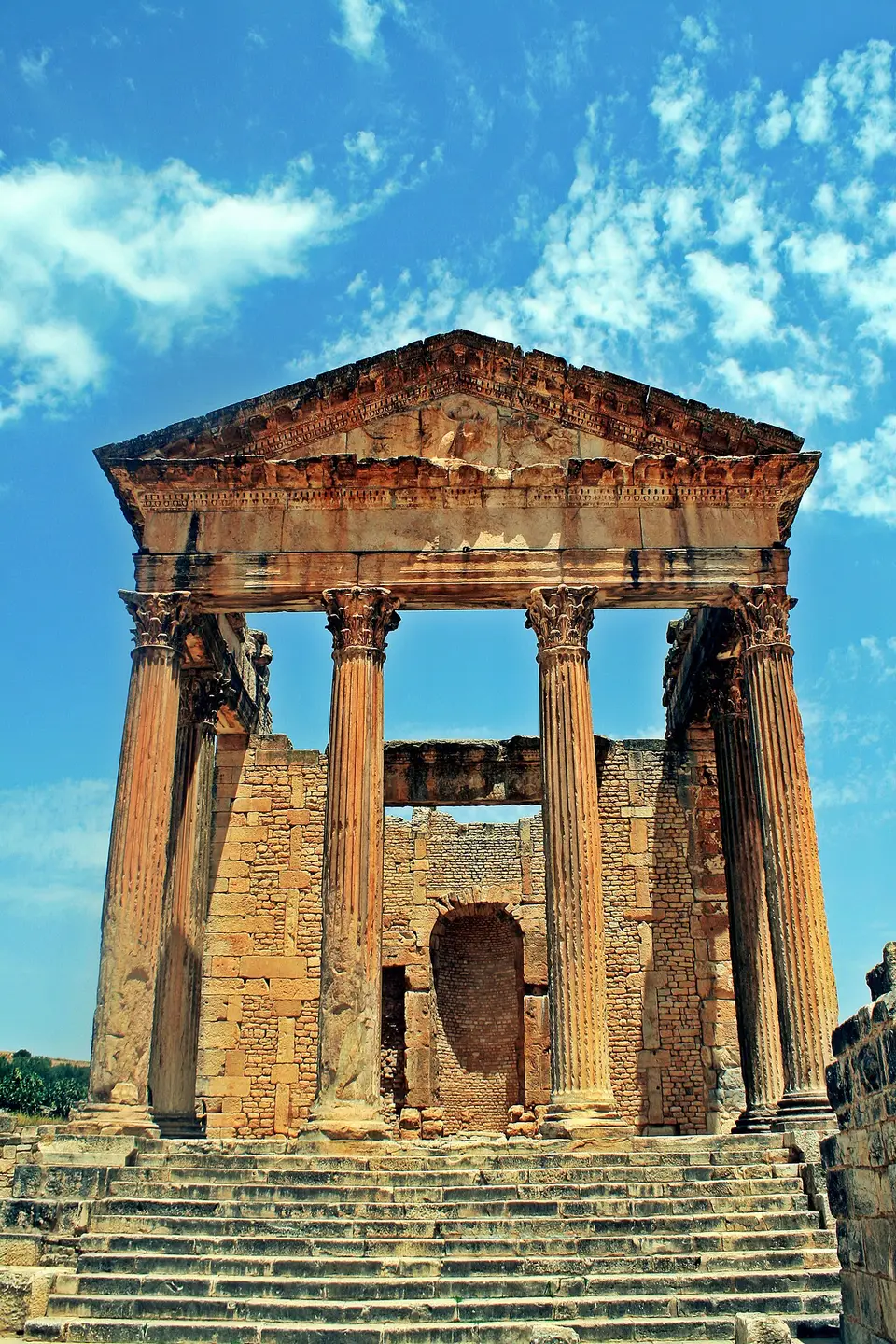
Roman Africa
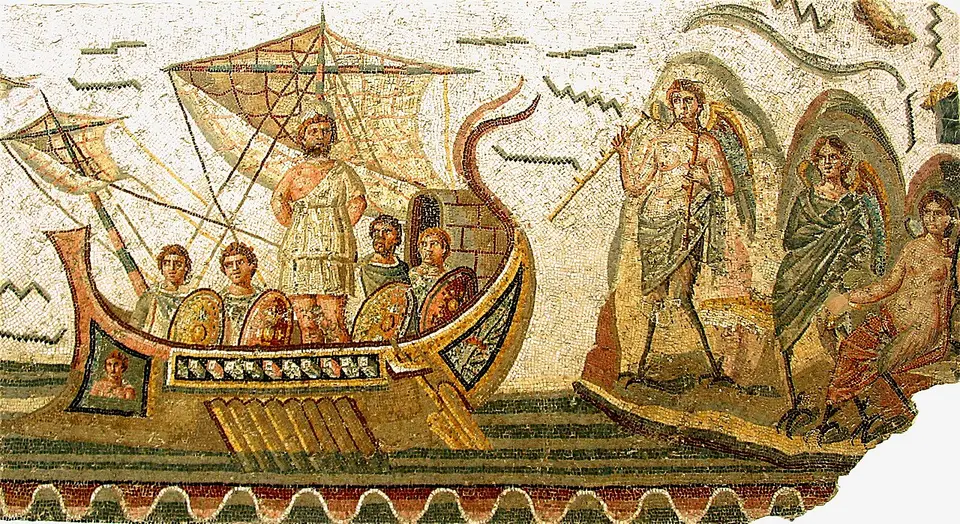
After destroying Carthage in 146 BCE, Rome made this the province of Africa, governed from Utica and later Carthage; under Augustus it became Africa Proconsularis. It became one of the empire’s great grain and olive-oil exporters.
St. Augustine
Augustine of Hippo (354–430 CE), born at Thagaste in Roman Africa, became one of the most influential thinkers of the Latin Church.
Red-slip ware
Roman Africa exported fine red-gloss tableware (African terra sigillata) across the Mediterranean for centuries.
The Jews of Roman Carthage
Texts from the 2nd century CE attest Jewish communities in Roman Africa, and Tertullian wrote of them at Carthage. The necropolis of Gammarth, near Carthage, has some 200 rock-cut chambers with Hebrew, Latin and Greek inscriptions.