1574–1881
Ottomans & the Husainid Beys
An Ottoman province that grew into a near‑independent state.
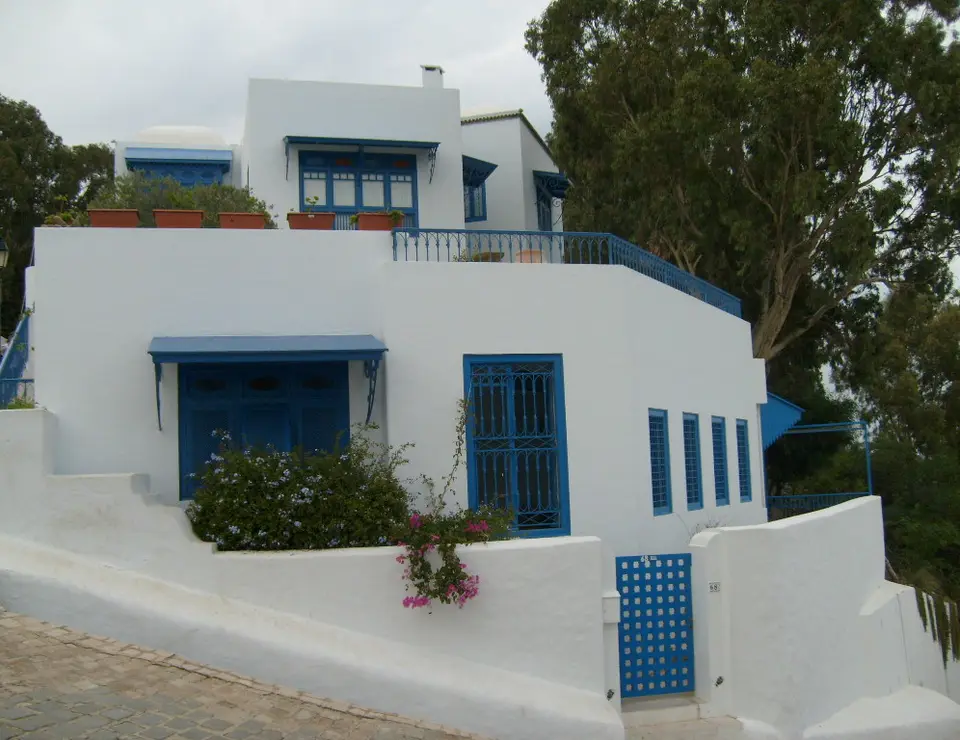
After the Ottoman conquest of 1574, power passed from the janissary deys to local beys: first the Muradids (1613–1702), founded by Murad Bey, a mamluk of Corsican origin, then from 1705 the Husainid dynasty ruled with growing autonomy under nominal Ottoman suzerainty. Andalusian Moriscos expelled from Spain settled in towns such as Testour after 1609.
It was the age of the Barbary corsairs and of rising trade with Europe, and then of reform: Tunisia abolished slavery in 1846, early in the Muslim world, proclaimed the Fundamental Pact (1857), which made all subjects equal before the law whatever their religion, and adopted one of the Arab world’s first constitutions (1861).
Debt to European banks led to bankruptcy and an international financial commission in 1869; the reforming minister Kheireddine founded Sadiki College (1875) before France moved in.
Key dates
- 1574
- Ottoman conquest; Tunisia becomes an Ottoman province.
- 1613–1702
- The Muradid beys, the first local dynasty of Ottoman Tunis.
- 1705
- Al-Husayn ibn Ali founds the Husainid dynasty.
- 1846
- Tunisia abolishes slavery, early among Ottoman lands.
- 1857
- The Fundamental Pact makes all subjects equal before the law, whatever their religion.
- 1861
- Tunisia adopts one of the Arab world’s first constitutions.
- 1869
- Bankruptcy brings an Anglo-French-Italian financial commission.
Key figures
- 1574 · Ottoman conquest of Tunis
- Muradids · beys, 1613–1702
- Husainids · beys from 1705
- 1861 · early constitution
From this era
Who were the Ottomans?
The Ottoman Empire, centred in Anatolia (modern Turkey), took Tunis in 1574 and ruled it as a province through local governors.
The Husainid beys
From 1705 the Husainid dynasty of beys governed Tunisia with growing autonomy under nominal Ottoman suzerainty.
1861 constitution
In 1861 Tunisia adopted one of the first written constitutions in the Arab world.
The corsairs
For centuries Tunis was a base of the Barbary corsairs, whose raiding and privateering shaped Mediterranean trade and politics.
What remains to see
- Medina of Tunis ↗
- The Bardo palace, now the museum ↗
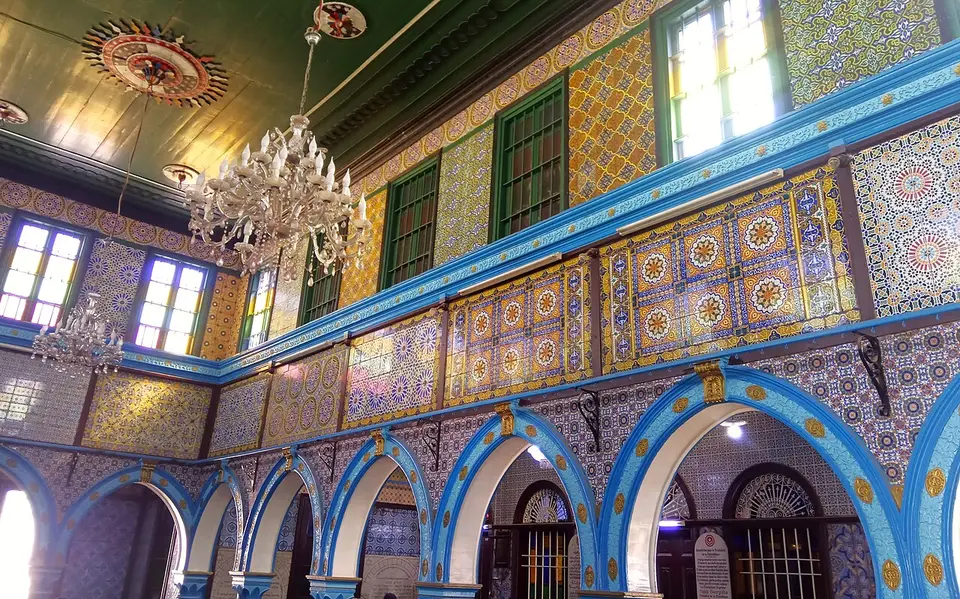
- El Ghriba synagogue, Djerba