800–1159 CE
Aghlabids, Fatimids & Zirids
A prosperous medieval Ifriqiya, and the launchpad of a caliphate.
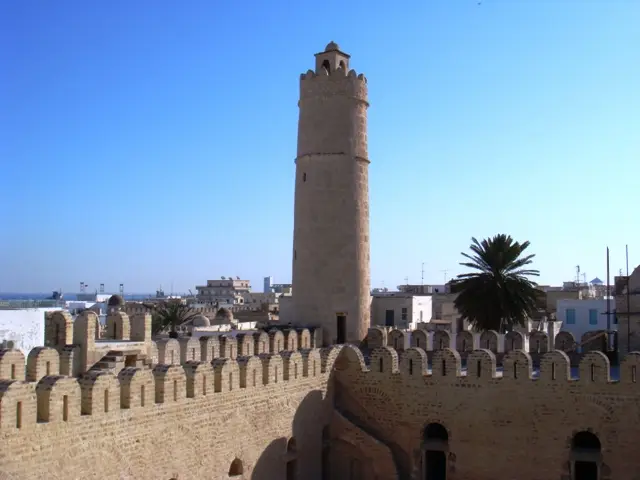
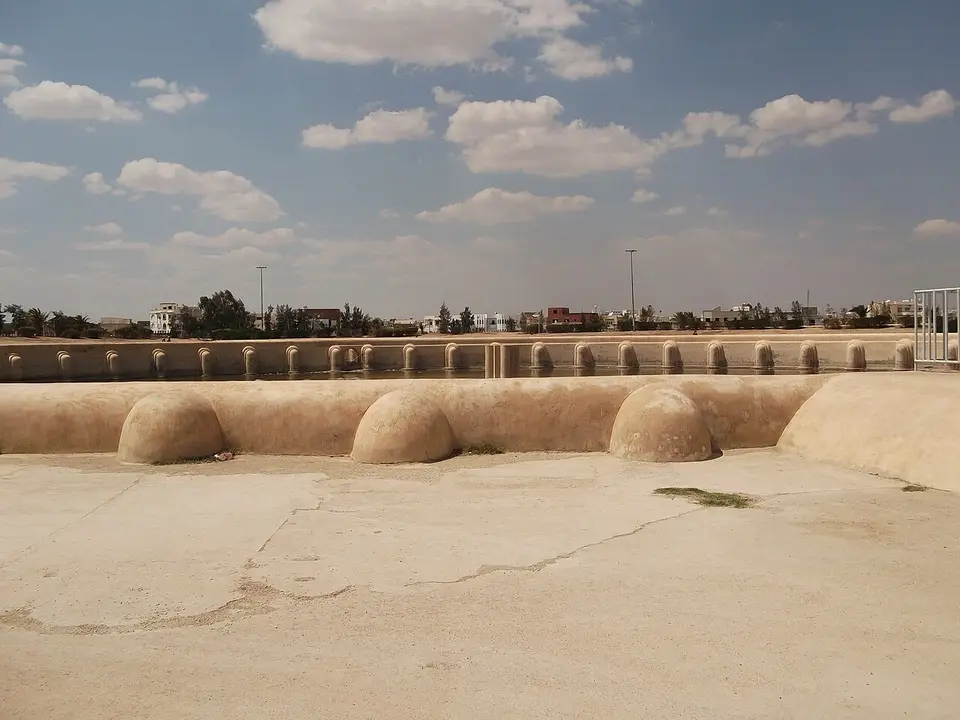
The Aghlabid emirs (800–909) ruled a prosperous Ifriqiya from Kairouan, rebuilding its Great Mosque (836), digging great reservoirs and launching the conquest of Sicily from 827.
In 909 the Fatimids, carried to power by Kutama Berbers, founded a Shia caliphate here, with a new fortified capital at Mahdia (916–921). They conquered Egypt and founded Cairo in 969, leaving Ifriqiya to their Zirid governors.
When the Zirids broke with Cairo, the Banu Hilal Arab tribes moved west; the Zirid ruler abandoned Kairouan for Mahdia in 1057, and the countryside slowly Arabized. Normans from Sicily took Mahdia in 1148, until the Almohads drove them out in 1160.
Key dates
- 800 CE
- Ibrahim ibn al-Aghlab founds the Aghlabid dynasty at Kairouan.
- 827 CE
- Aghlabids launch the conquest of Sicily.
- 909 CE
- The Fatimids overthrow the Aghlabids in Ifriqiya.
- 916–921 CE
- The Fatimids build their fortified capital, Mahdia.
- 969 CE
- Fatimids conquer Egypt and found Cairo.
- 1057 CE
- Banu Hilal migrations sack Kairouan, deepening Arabization.
- 1148 CE
- The Normans of Sicily take Mahdia.
Key figures
- Aghlabids · 800–909, took Sicily
- Fatimids · 909; later founded Cairo
- Banu Hilal · 11th‑c. Arab migration
From this era
Who were the Aghlabids?
An Arab dynasty of emirs who ruled Ifriqiya from Kairouan (800–909) under the nominal authority of the Abbasid caliphs in Baghdad. They launched the conquest of Sicily.
Who were the Fatimids?
A Shia Ismaili dynasty that rose to power in Ifriqiya in 909, founded the city of Mahdia, and later conquered Egypt and built Cairo.
Conquest of Sicily
From 827 CE the Aghlabids of Kairouan launched the long conquest of Byzantine Sicily.
The Banu Hilal
In the 11th century waves of Banu Hilal Arab tribes migrated west, sacking Kairouan and deeply Arabizing the countryside.