c. 9,000–5,500 BCE
The Capsians, Foragers of the Maghreb
Hunter‑gatherers of the Maghreb, distant ancestors of today’s Tunisians.
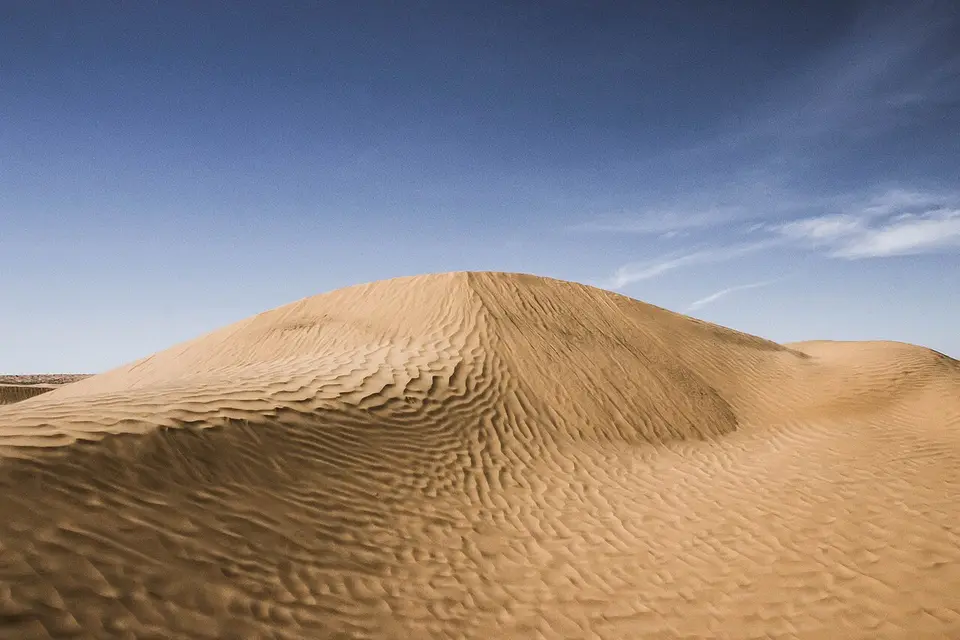
Named after Gafsa (Roman Capsa), the Capsian culture flourished across inland Tunisia and the eastern Maghreb after the last Ice Age. Its people left vast escargotières, mounds of land‑snail shells and ash, along with fine flint blades, ostrich‑eggshell beads, engraved eggshell flasks and some of the region’s earliest art.
Genetically, these populations carried the deep autochthonous Maghrebi ancestry that is still present in Tunisians today.
From the 6th millennium BCE herding and pottery spread among them: the start of the Neolithic. Their descendants are the first people of the region known by name: the ancient Berbers (Amazigh).
Key dates
- c. 9,000 BCE
- Capsian culture emerges around Gafsa (ancient Capsa) in the eastern Maghreb.
- c. 8,000 BCE
- Vast escargotières (land-snail shell middens) accumulate; fine blade tools, ostrich-eggshell beads and engraved eggshell containers.
- c. 6,000 BCE
- An individual from Djebba carries European hunter-gatherer ancestry, probably from crossings of the Strait of Sicily.
Key figures
- Capsa · Gafsa, which gave the culture its name
- Escargotières · snail‑shell middens
- Maghrebi ancestry · still in the genome
From this era
Distant ancestors
Their local “Maghrebi” ancestry carried on through the Neolithic and still forms the oldest layer of the Tunisian genome. Whether they already spoke a Berber language is unknown.
Escargotières
They left vast mounds of land-snail shells, the escargotières, the kitchen-middens of a long, partly settled foraging life across the steppe.
Capsian craft
Fine flint blades, polished bone tools, ostrich-eggshell beads and engraved eggshell flasks mark the Capsian; some of the Maghreb’s earliest art comes from this world.
Capsa (Gafsa)
The culture is named after Gafsa, Roman Capsa, the oasis at its heart in west-central Tunisia.
What remains to see
- Escargotières of the Gafsa region
- Prehistory rooms of the Bardo Museum ↗