439–647 CE
Vandals & Byzantines
A Germanic kingdom, then a Byzantine reconquest under Belisarius.
As the Western Roman Empire weakened, the Vandals, a Germanic people, crossed from Spain in 429 and in 439 CE King Genseric seized Carthage, making it the capital of a sea power that sacked Rome in 455. Arian Christians, they persecuted the Catholic clergy of Africa.
In 533 the emperor Justinian sent his general Belisarius, who won at Ad Decimum and Tricamarum; King Gelimer surrendered in 534 CE, returning Africa to the Byzantine Empire: the eastern half of the Roman Empire, ruled from Constantinople, which had outlived the fall of the West in 476.
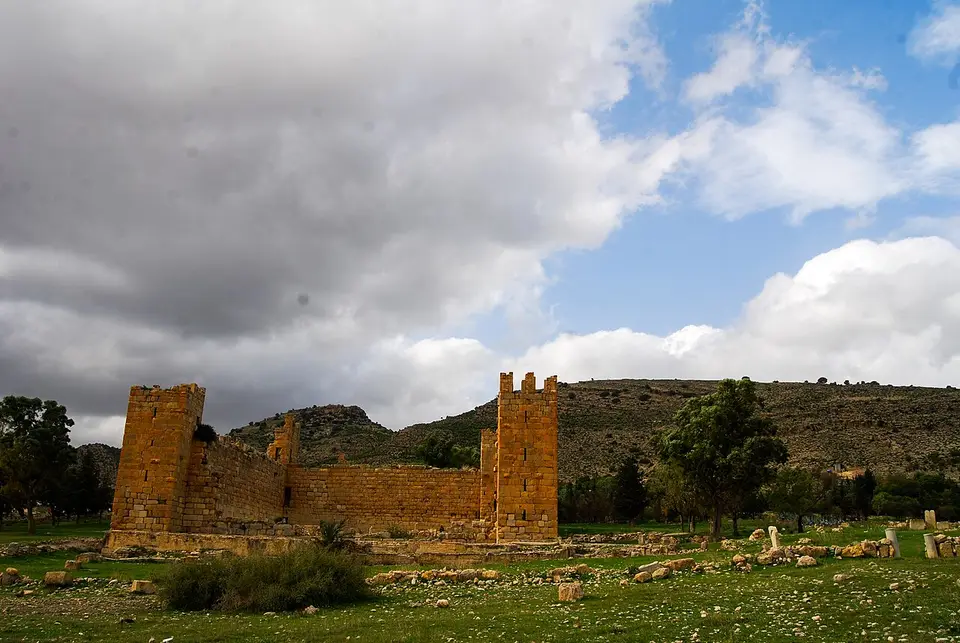
The Byzantines ringed the country with fortresses, at Ksar Lemsa, Haidra and Sbeitla, still standing today. In 647 an Arab army defeated the exarch Gregory at Sbeitla, the first blow of the Arab conquest.
Key dates
- 429 CE
- The Vandals cross from Spain into Africa.
- 439 CE
- Vandals under Genseric capture Carthage and make it their capital.
- 455 CE
- Vandal fleet sacks Rome.
- 533–534 CE
- Belisarius reconquers Africa for Byzantium; King Gelimer surrenders in 534.
- 647 CE
- An Arab army defeats the exarch Gregory at Sufetula (Sbeitla).
Key figures
- Genseric · Vandal king
- Belisarius · Byzantine general
- 534 CE · Vandal kingdom falls
From this era
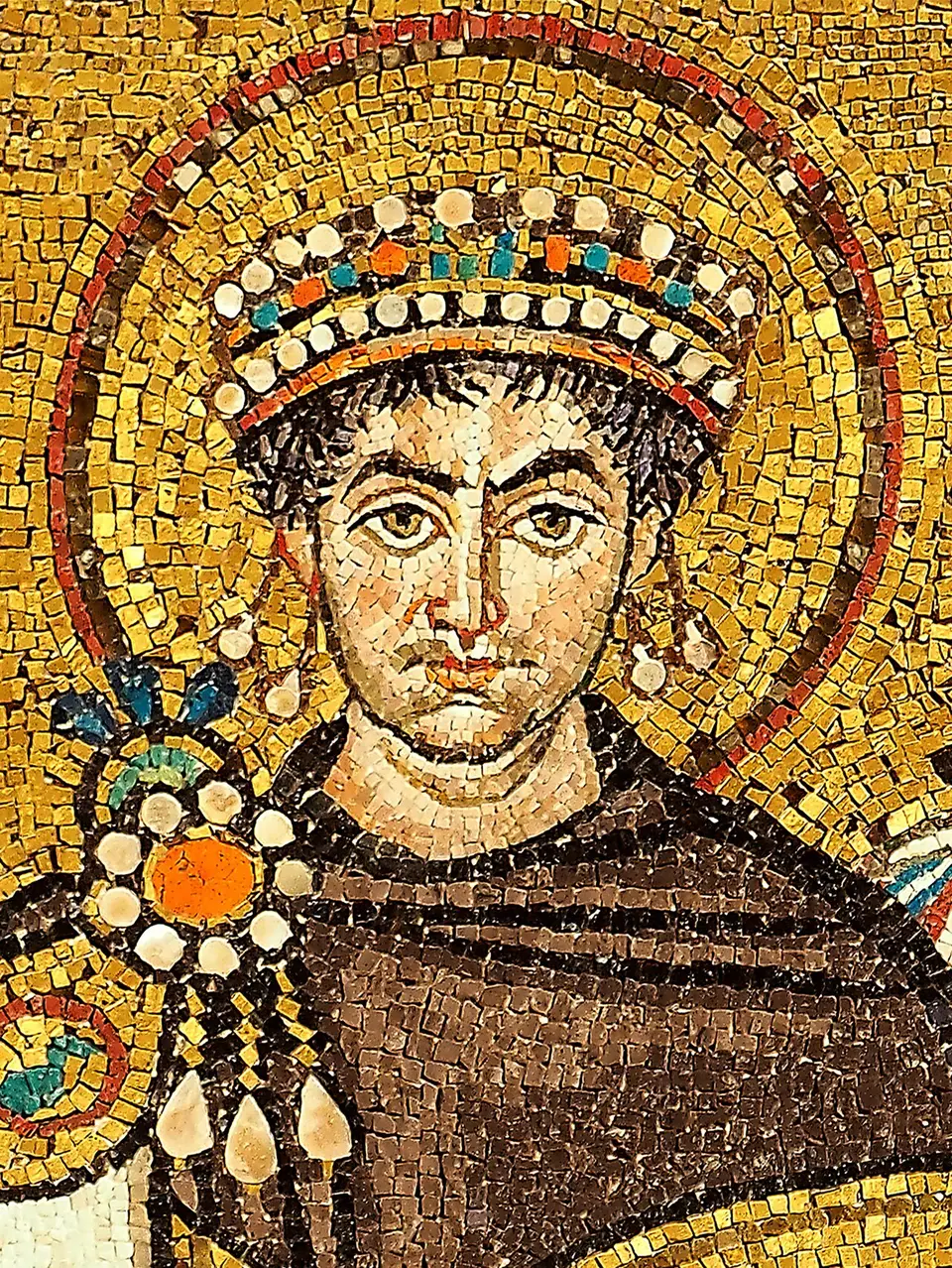
Who were the Vandals?
A Germanic people from central Europe who migrated across Gaul and Spain, then crossed into Africa in 429 CE and seized Carthage as the capital of their sea-borne kingdom.
Who were the Byzantines?
The Eastern Roman Empire, ruled from Constantinople (modern Istanbul, Turkey); its armies reconquered Africa from the Vandals in 533–534 CE.
Genseric
The Vandal king Genseric took Carthage in 439 CE and built a Mediterranean sea-power that even sacked Rome in 455.
Belisarius
Justinian’s general Belisarius crushed the Vandals at Ad Decimum and Tricamarum; King Gelimer surrendered in 534 CE.
What remains to see
- Byzantine fortress of Ksar Lemsa
- Churches and fort of Sbeitla ↗
- Byzantine walls of Haidra